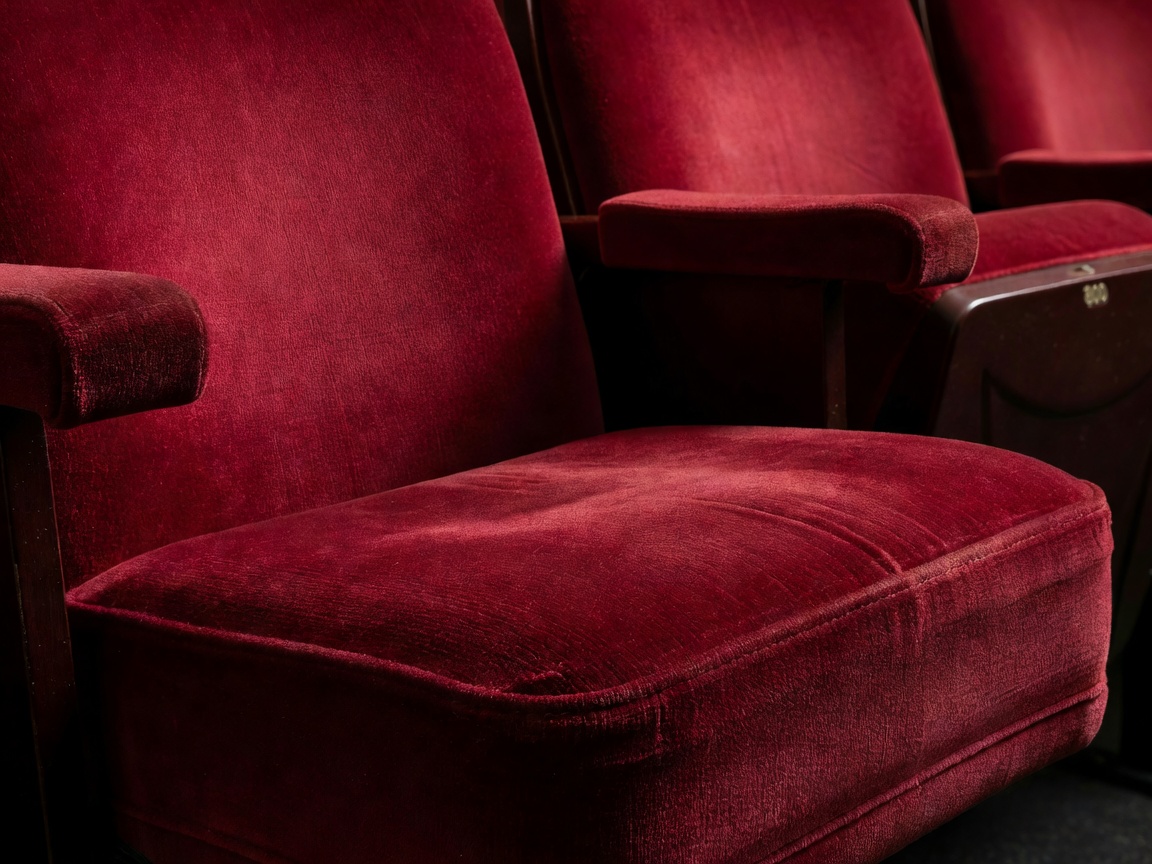
Overview
Refurbishment is a controlled renewal process. It can address tired fabric, worn cushions, marked finishes and replaceable components while retaining suitable seat frames. The correct scope depends on the age, construction, condition and future use of the seating system.
Typical scope
- Survey upholstery, foam, seat pans, backrests, armrests and frames.
- Remove and replace damaged or worn fabric where practicable.
- Renew cushion materials when compression or loss of shape affects use.
- Check timber and metal finishes for damage, looseness or corrosion.
- Replace compatible hinges, springs, fasteners and trim components.
- Clean, label and record seats through the refurbishment sequence.
Inspection points
Look for split seams, exposed edges, flattened foam, loose covers, damaged seat pans and movement between the frame and floor fixing. Test the fold-down action before upholstery work hides access points. Inspect armrests and touch surfaces for looseness. Repeated noise or slow return may indicate a mechanism issue rather than a fabric issue.
Materials and components
Fabric, vinyl, foam, webbing, trims, timber, metal brackets, springs and hinges may be involved. Colour, abrasion performance, cleaning method and fire-related requirements vary by product and jurisdiction. They must be confirmed against the venue brief, product documentation and applicable local requirements. No material should be specified from appearance alone.
Maintenance considerations
Refurbishment should leave access for future inspection. Keep seat numbers and row records intact. Agree how removed components will be identified and whether samples are required before a full run. A trial seat can confirm colour, seam detail, cushion firmness and visual consistency without committing the entire auditorium.
Common problems
Common failures include mismatched fabric batches, covers fitted over damaged foam, concealed loose fixings, incorrect trim profiles and mechanisms that are not tested after reassembly. Cosmetic renewal cannot correct a distorted frame or unsuitable floor fixing. Separate those issues in the work schedule.
Advantages and limitations
Refurbishment can reduce visible wear and retain a familiar seating layout. It is not always the best route where frames, mechanisms or floor interfaces are broadly damaged. A cost comparison should include removal, storage, access, replacement parts, future maintenance and the effect on venue operations.
Planning checklist
- Seat count, row map and condition photographs.
- Preferred fabric or finish samples and cleaning requirements.
- Decision on retaining, replacing or modifying components.
- Access windows, sample approval and protection plan.
- Records for seats removed from each row.
Before service
Provide a clean sample seat, previous repair information and any known product documents. Identify seats with stains, damage or unusual movement. Confirm where refurbished items can be stored without mixing rows.
Confirm with a contractor
Confirm whether the quote includes removal, stripping, foam assessment, sewing, refitting, mechanism checks and waste. Ask how material substitutions are approved and how the finished row will be checked.
Related services
Combine refurbishment with mechanism servicing, condition surveys or replacement installation.